Plantation Shutters vs Blinds: A Melbourne Buyer’s Guide
Reading time:
Ask around and you’ll get strong opinions on shutters versus blinds, and almost none of them will agree. That’s less about one option being objectively better and more about what each person was optimising for when they bought theirs – lowest price on the day, or lowest total cost over a decade. Worth working out which one matters more to you before you start comparing quotes.
Two Different Things Doing the Same Job
Shutters and blinds solve the same basic problem – light, privacy, keeping the street out – but they’re built on different premises entirely.
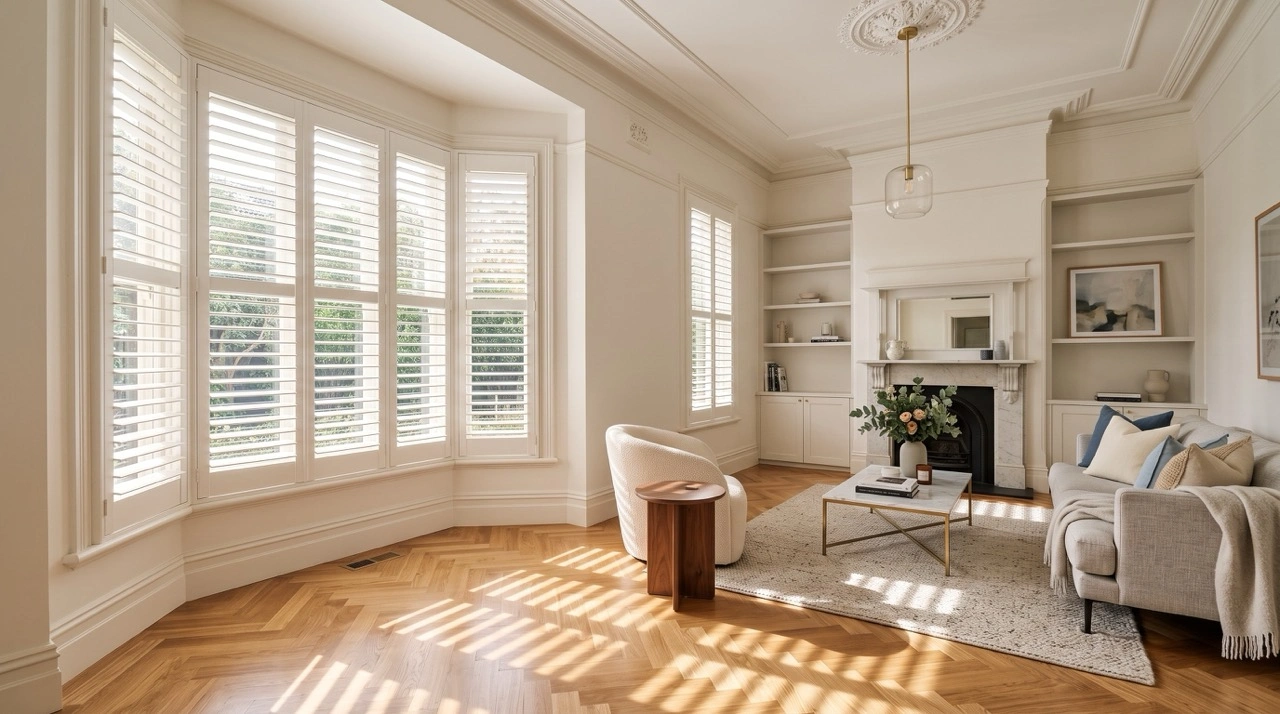
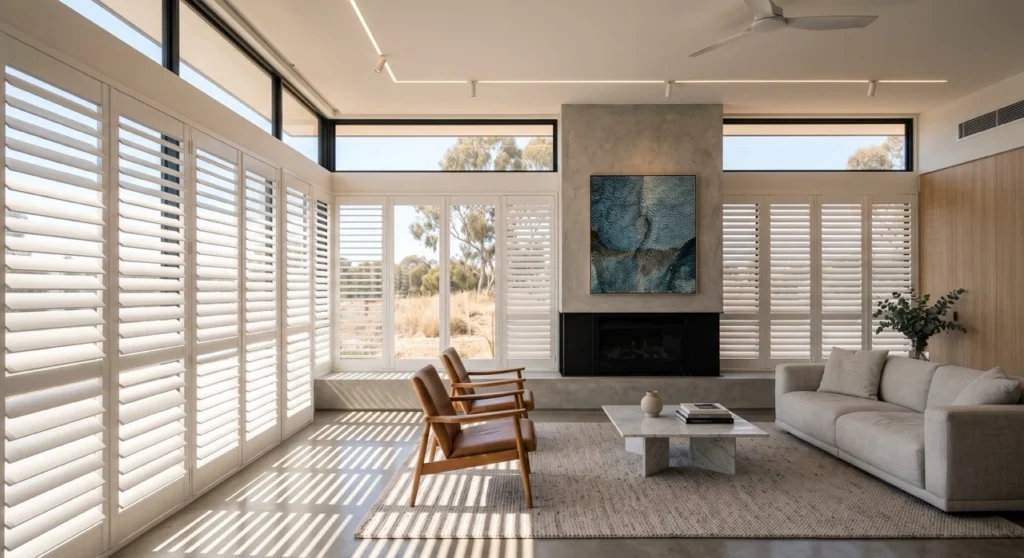
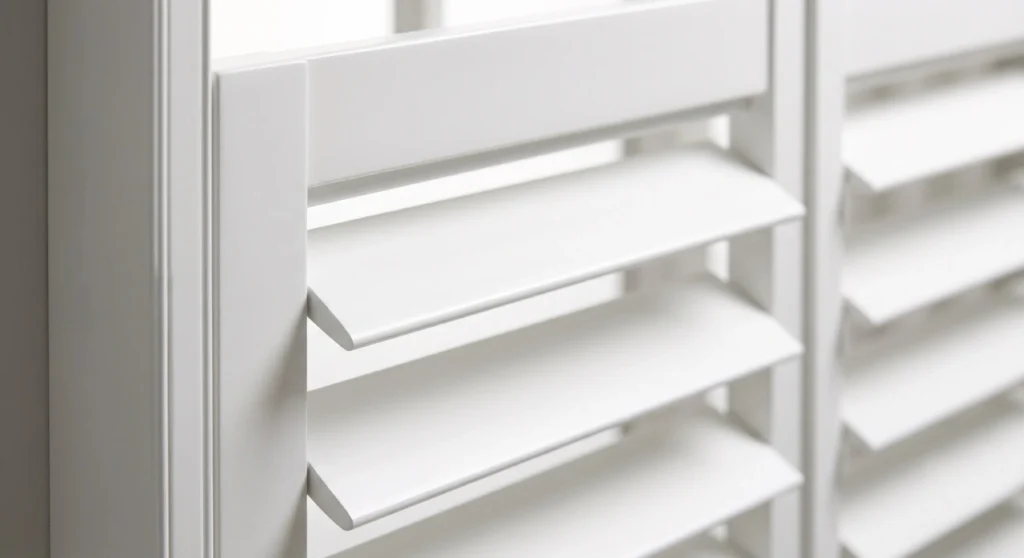
A plantation shutter is fixed into the window frame. Solid panels, hinges, adjustable louvres – effectively a small piece of joinery that happens to open and close. When you sell the house, it stays, the same way a built-in wardrobe would.
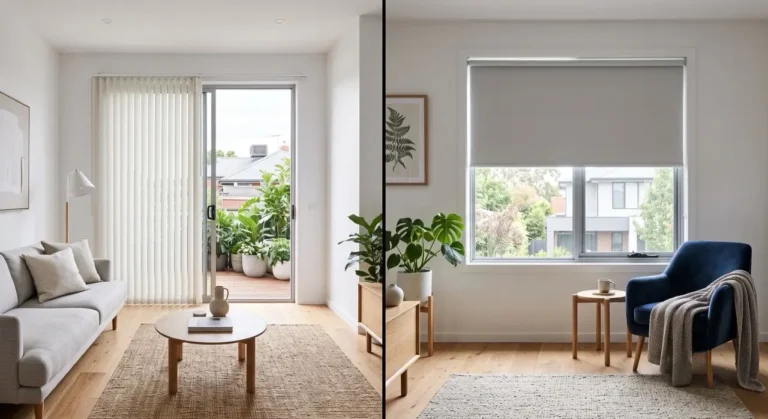
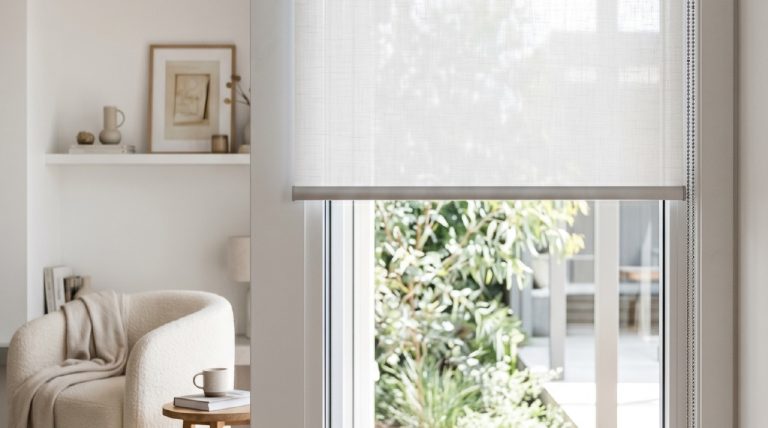
A blind hangs off a track or headrail. Nothing’s bolted into the architecture. Get sick of the colour in a few years, and you swap it out on a weekend without touching the window itself.
That distinction – fixture versus furnishing – is where every other difference on this page actually comes from.
What Each One Costs, Properly Accounted For
Shutters cost more to install. Depending on material and how many awkward angles your windows have, expect somewhere between $239 and $800 per square metre, installed. Blinds start well below that – a basic roller blind can come in under $150 for a standard window, though a premium motorised setup can climb close to shutter pricing if you go all out.
Here’s the part that changes the maths, though: blinds typically need replacing somewhere in the 5 to 10-year range, depending on use and fabric quality. Shutters, properly fitted, are routinely still working two decades later – some manufacturers back that up with warranties long enough to treat them as a genuinely permanent fixture rather than something you’ll cycle through.
So the fair comparison isn’t sticker price against sticker price. It’s sticker price against how many times you’re likely to pay it before you’re done.
Everyday Light, Privacy, and How the Window Feels
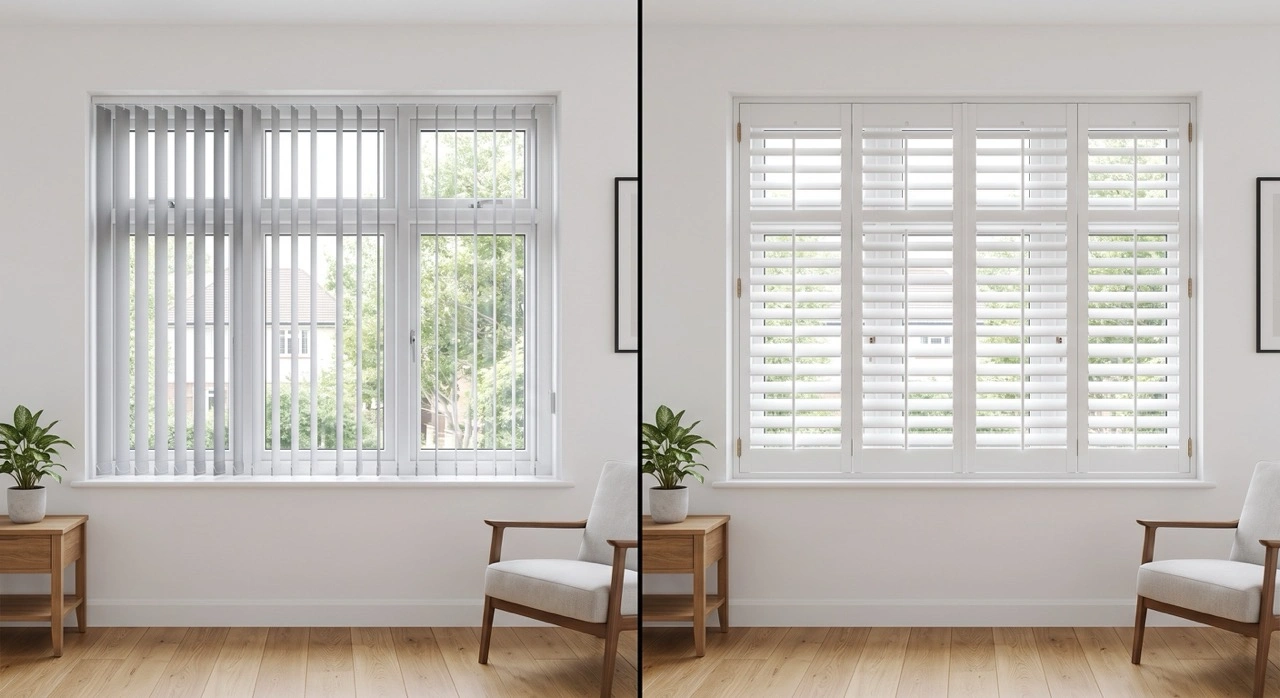
Both handle light control well. Tilt a shutter louvre and you get much the same fine adjustment as a good vertical blind – full brightness down to nearly closed, without losing the room entirely.
Where shutters get a genuine edge is what happens when you want the window to disappear completely. Swing the panels open and there’s nothing left hanging around – no fabric stacked to one side, no headrail sitting there year-round. Blinds, even good ones, always leave a bit of themselves visible when open. It’s a small thing until someone points it out, and then it’s the only thing you notice.
Privacy is close enough between the two that it usually comes down to taste rather than performance. What actually differs is mood – shutters read as more classic and architectural, blinds are the easier option if you like changing things up every few years.
The Melbourne Weather Factor
This is where shutters pull properly ahead, and it’s worth taking seriously if your energy bills have been climbing.
A solid shutter panel, fitted correctly into the frame, creates something close to an actual seal against the glass. That matters more than people expect – Australian government energy figures put window heat loss at up to 40% of a home’s total winter heating load, so a treatment that meaningfully closes that gap is doing real work, not just looking nice. Properly installed shutters can cut into that winter loss substantially, and do a similarly solid job keeping summer heat out the rest of the year.
Blinds aren’t hopeless on this front. Cellular and honeycomb fabrics trap air and perform reasonably well, and a good blockout vertical blind paired with heavier curtains gets you a fair way there. But a slatted blind hanging in front of glass, by itself, isn’t sealing the gap the way a fitted panel does.
| Shutters | Blinds | |
|---|---|---|
| Winter heat loss cut | Up to ~40% (Approx.) | Modest – better with cellular/honeycomb styles |
| Summer heat gain blocked | Up to ~85% (Approx.) | Depends heavily on fabric |
| Seal against the frame | Tight, built-in | Gaps at the edges, by design |
If your living room faces west and turns into a furnace every February afternoon, that table is basically the whole decision.
Upkeep
Shutters are close to fit and forget – a wipe-down now and then, a glance at the hinges once a year. No cords, no fabric to fade or fray.
Blinds ask a little more, especially fabric ones. Vertical blinds need an occasional proper clean (get more info in our previous article, “How to Clean Vertical Blinds: The Complete Melbourne Home Guide“), and vinyl or PVC slats can eventually go brittle after years in full sun. Not a huge chore either way, but if minimal upkeep is genuinely your top priority, shutters have the edge.
Does It Actually Help at Resale?
A bit, though probably less than the sales pitch usually implies. Shutters get treated as part of the house rather than a furnishing – agents notice them, buyers notice them, and for an investment property they can sometimes be claimed as a capital improvement rather than a running cost.
“Helps a bit” isn’t the same as “adds thousands to your sale price,” though. Neither option reliably does that. The more honest approach is choosing what you’ll actually enjoy living with for the next decade, and treating resale as a bonus rather than the deciding factor.
Matching the Choice to the Room
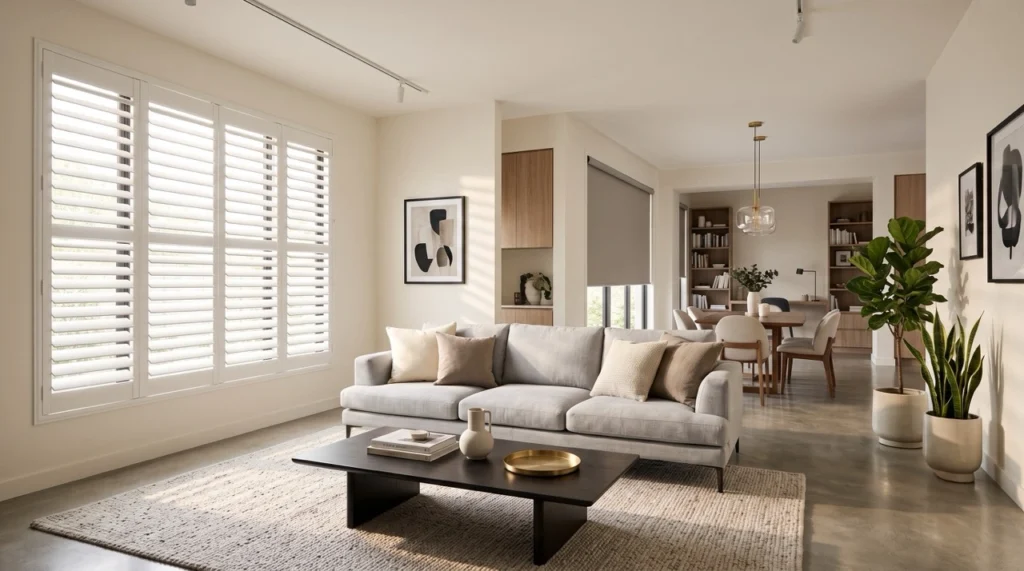
Living rooms and anywhere you want architectural presence – shutters, most of the time. Bathrooms and kitchens – moisture-resistant PVC shutters or a vinyl blind both hold up fine; check the material before falling for a colour. Bedrooms are genuinely a toss-up, since a quality blockout blind gets you full darkness for less than a shutter would cost.
We’ve gone deeper on exactly this room-by-room logic – including bathrooms, home offices, and kids’ rooms specifically – in our full guide to choosing blinds for every room in the house, worth a look if you’re furnishing more than one space at a time.
What IMEKO Offers
Three shutter materials, each suited to a different job: Polyshield PVC for anything near water, Basswood for a warmer, more traditional living-room feel, and aluminium for something tough enough for an outdoor space. Every one is custom-built to the window, including the awkward ones – bays, corners, arches.
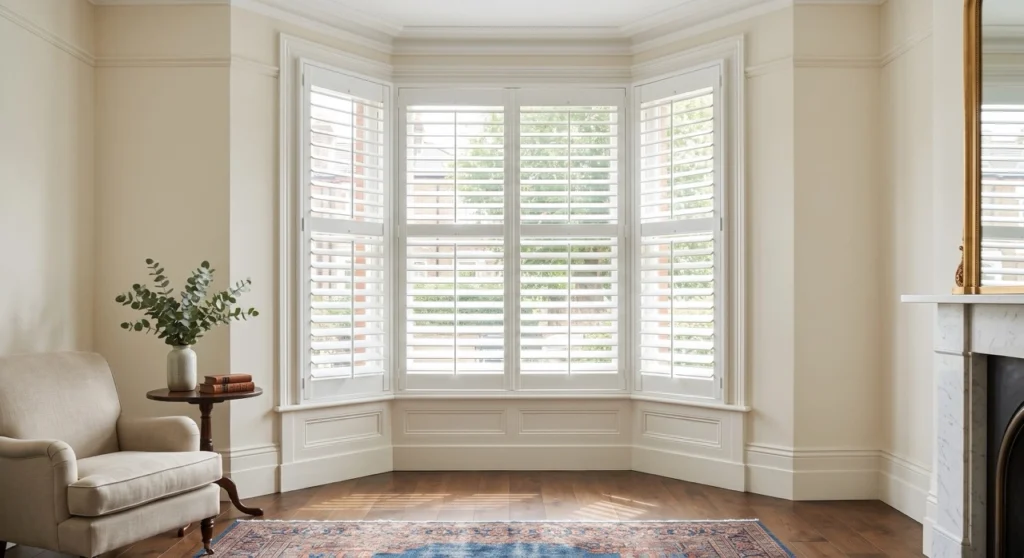
Browse the shutter range to see the finishes, or compare it against our vertical blinds range if you’re still deciding between the two.
A Rough Way to Decide
Staying in the house for a decade or more, and energy performance matters to you? Shutters usually pay for themselves. Furnishing a rental, or a room you’ll likely redecorate again in a few years? Blinds are the sensible call. Genuinely torn between the two? That’s a completely normal place to land, and exactly what an in-home consultation with actual samples in hand tends to resolve faster than another hour of reading comparisons online.
Book a free measure and quote – we’ll bring shutter samples and blind swatches to your place, so you’re deciding under your own lighting rather than a showroom’s.
Common Questions
Are shutters actually worth the extra cost?
For most people staying put long-term, yes – the lifespan and energy performance tend to close the price gap over time. Renting short-term or working to a tighter budget, a well-made blind is nothing to apologise for.
Can shutters handle a bathroom?
With the right material, yes. PVC shutters are built specifically for high-moisture rooms and won’t warp the way timber eventually might.
Do shutters genuinely reduce power bills?
By a meaningful amount, based on the figures above, though how much you notice depends on window orientation and how many rooms you fit them in.
What if I can’t decide?
Plenty of homes run shutters in the main living areas and blinds everywhere else. There’s no rule requiring one treatment throughout the whole house.
Coming Up Next
We’re staying with the practical side of things next, working through how to choose the right blinds room by room – living areas, bedrooms, bathrooms, kitchens, home offices, and kids’ rooms each want something slightly different, and we cover exactly what.
Where These Numbers Come From
- Classic Blinds – Plantation Shutters vs Blinds: Costs & Considerations
- AAA Blind and Shutter Factory – Plantation Shutters vs Blinds: A Cost Comparison Guide
- ACA Shutters & Blinds – Plantation Shutters vs Blinds: Which Is Best for Your Melbourne Home?
- Into Blinds – Plantation Shutters vs Blinds: Which Is the Better Option?
- Classic Roller Shutters – Plantation Shutters vs Blinds: Costs, Pros, And Lifespan