Venetian Blinds Melbourne: The Complete Buying Guide
Reading time:
There’s a reason venetian blinds Melbourne never really went away. Long before roller blinds and vertical tracks became the default, that horizontal slat look was already doing the rounds in Melbourne homes – and it’s still one of the first things people picture when they hear the word “blinds” at all. Simple, adjustable, a little bit architectural. The kind of thing that looks right in a 1960s brick home and equally right in a new-build apartment.
But “classic” doesn’t mean “one-size-fits-all.” Venetian blinds come in more material and configuration options than most people expect, and getting that choice right matters more than it seems.
What Are Venetian Blinds, Exactly?
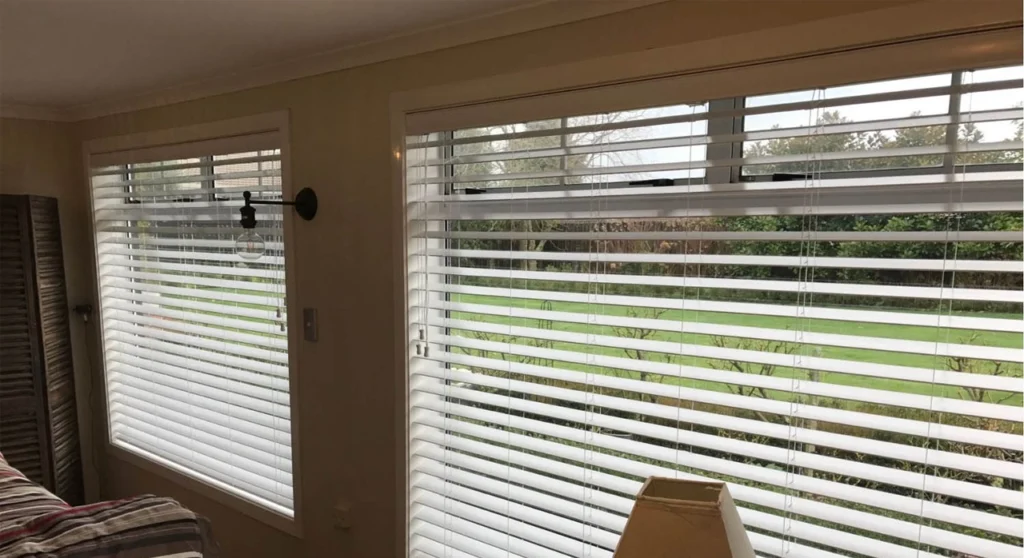
Venetian blinds are made up of horizontal slats – timber, aluminium, faux wood, or PVC – that tilt open and closed using a wand or cord, and can be raised fully to clear the window when you want an unobstructed view. That tilting action is the whole point: rotate the slats one way and you get soft, diffused light bouncing off the ceiling; rotate them the other way and the room goes from bright to almost fully shaded, all without touching a cord to raise or lower anything.
Compared to vertical blinds – which hang and rotate the same way but with the slats running top to bottom instead – venetians tend to suit smaller and mid-sized windows better, since raising a very wide or tall venetian blind gets heavier and clunkier the bigger it gets. For a study, a kitchen window, or a standard bedroom window, that’s rarely an issue.
Are Venetian Blinds Melbourne Good for Privacy?
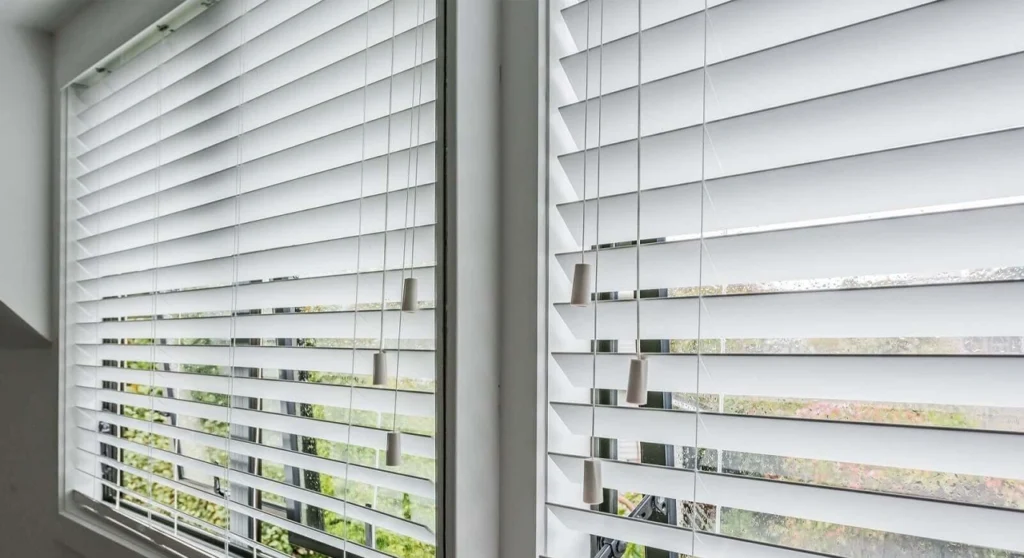
This is the question people actually search for most, so it’s worth answering properly rather than glossing over it.
Yes – genuinely well, and for a specific mechanical reason. When a venetian blind is fully closed, the horizontal slats press against each other and overlap tightly, creating what’s close to a solid barrier. There’s very little gap for anyone to see through, even at close range.
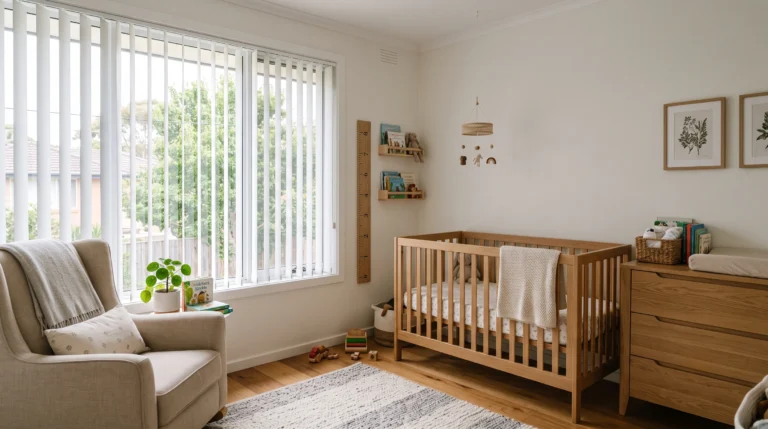
Vertical blinds, by comparison, hang from an overhead track rather than stacking against each other the same way, so they can shift slightly or leave thin gaps between slats – particularly with a breeze, or if a slat’s ever so slightly out of alignment. Both styles offer good privacy in practice, but venetians have a genuine edge when privacy is the top priority for a specific room, like a street-facing bedroom or a ground-floor office.
The trade-off runs the other way for light diffusion across a wide opening – which is exactly why vertical blinds tend to win out on large sliding doors, and venetians tend to win on standard windows. We covered that comparison in more depth earlier in this series, if you’re trying to decide between the two for a specific room.
Choosing Your Material
IMEKO’s venetian blinds come in four materials, and each one is genuinely suited to a different job rather than just being a price tier.
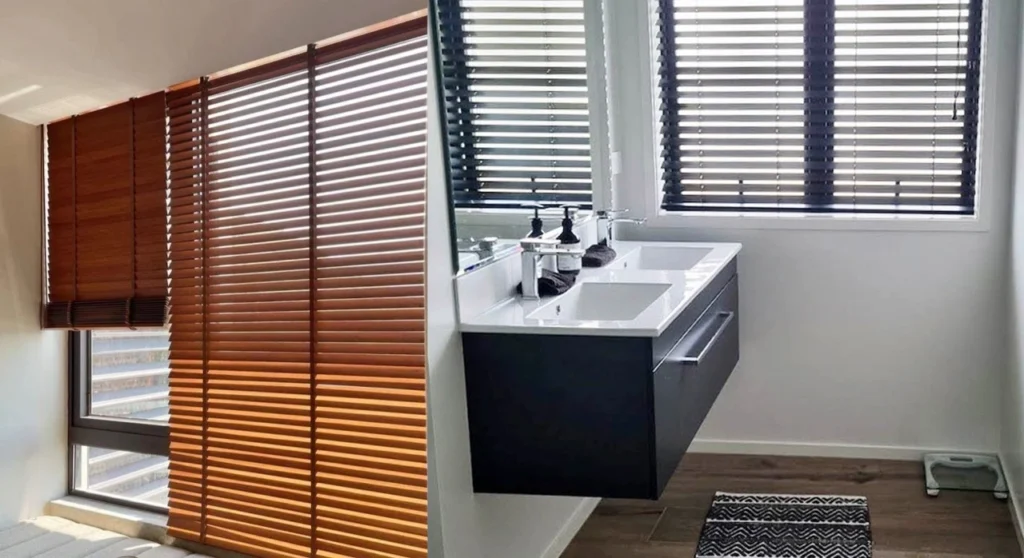
Timber – real wood, in a range of grain finishes. This is the option for warmth and character, and it earns its keep in living rooms, studies, and main bedrooms where you actually see and touch the blind daily. It’s not the pick for a bathroom, though – timber and sustained moisture don’t mix well long-term.
Aluminium – a cleaner, more contemporary look, in a range of designer colours. Genuinely low-maintenance and lightweight, which makes it a strong fit for a home office or a room that gets a lot of daily adjustment. It handles moisture better than timber, though direct, prolonged sun exposure can make aluminium slats warm to the touch in a north or west-facing room.
Faux Wood – built to look like real timber without timber’s upkeep or moisture sensitivity. If you want the warmth of a wood grain in a kitchen or a humid room, this is usually the better call than real timber, and it costs less too.
PVC – the moisture specialist. Fully resistant to warping, cracking, and UV fading, which makes it the obvious choice for bathrooms, ensuites, and laundries. It won’t have the same premium feel as timber, but in a wet area, that’s the wrong thing to optimise for anyway.
| Material | Best For | Avoid In |
|---|---|---|
| Timber | Living rooms, studies, bedrooms | Bathrooms, laundries |
| Aluminium | Home offices, kitchens | Nothing specific – genuinely versatile |
| Faux Wood | Kitchens, busy households wanting a timber look | N/A |
| PVC | Bathrooms, ensuites, laundries | Formal living spaces wanting a premium finish |
Choosing Your Blade Width
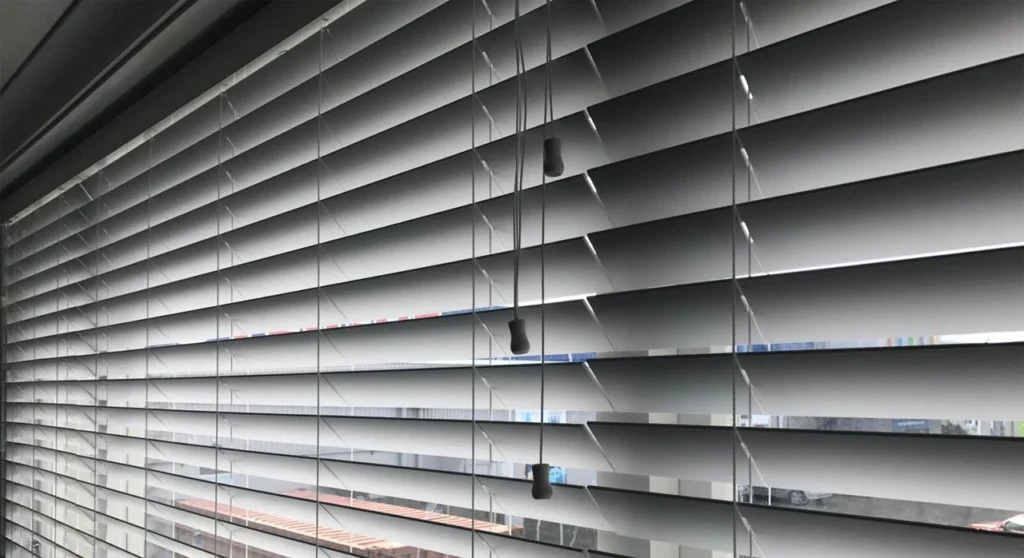
This is where a lot of people either don’t realise they have a choice, or don’t realise the choice actually matters visually. IMEKO offers three:
50mm Wideline – bold, wide-profile slats that echo the look of plantation shutters. Suits large windows well, and gives an expansive, uninterrupted view when the blind is raised.
25mm Slimline – the standard most Melbourne homes land on. Balanced, clean, and versatile enough to suit almost any standard residential window without looking over- or under-scaled.
16mm Micro – an ultra-fine profile built for smaller glass panels, shallow window reveals, or a deliberately minimalist, high-tech look in a compact space like a study nook.
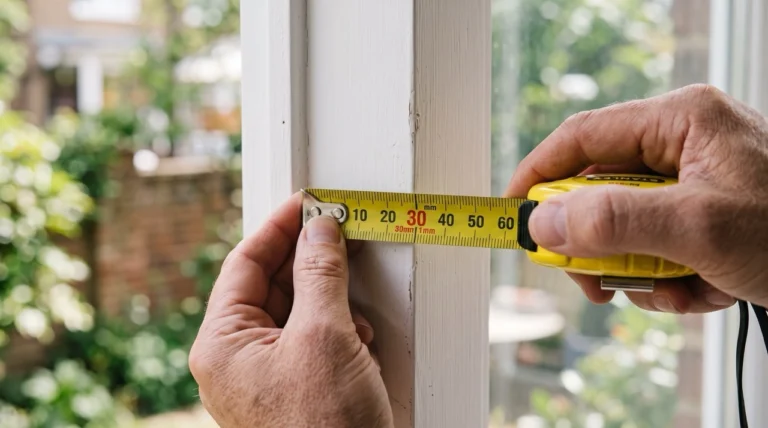
If you’re not sure which suits your specific windows, this is exactly the kind of decision worth making in person with actual samples in hand, rather than guessing from a photo online. You can contact the IMEKO Blinds team and get a free quote and measurements for your space.
Venetian vs Vertical: Quick Gut-Check
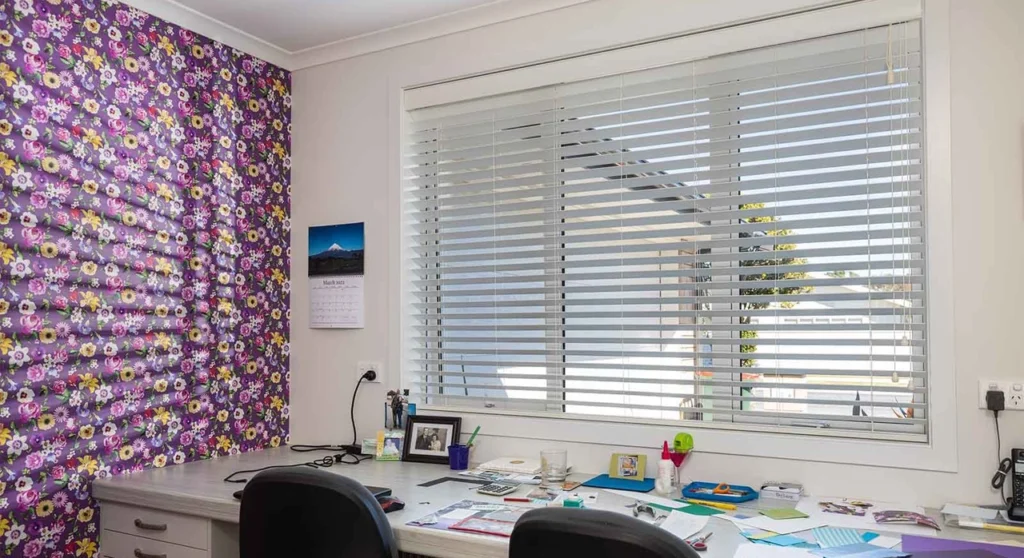
Given how often these two get confused for each other, here’s the short version: choose Venetian for smaller-to-mid windows where privacy and a tailored look matter most – offices, kitchens, bathrooms, standard bedroom windows. Choose vertical for wide windows and sliding doors, where a blind needs to stack cleanly to the side rather than lift upward. If you’re furnishing a whole house, it’s genuinely common to end up with both, matched to the right window rather than one style forced onto every opening.
Keeping Them Clean
One honest trade-off: horizontal slats collect dust differently than vertical ones do, simply because there’s a flat, horizontal surface for it to settle on. A quick wipe or a vacuum brush attachment every few weeks handles it easily enough – the cleaning approach we covered for vertical blinds earlier in this series applies with minor adjustments here too, mainly working slat by slat rather than top to bottom.
Melbourne Considerations
Aluminium venetians in a north or west-facing room will run warmer to the touch during a summer heatwave than timber or faux wood equivalents – worth knowing if little hands will be adjusting them regularly. Timber, meanwhile, is the material most sensitive to Melbourne’s humidity swings between seasons, which is exactly why we’d steer it away from bathrooms and laundries regardless of how good it looks in a photo.
What IMEKO Offers
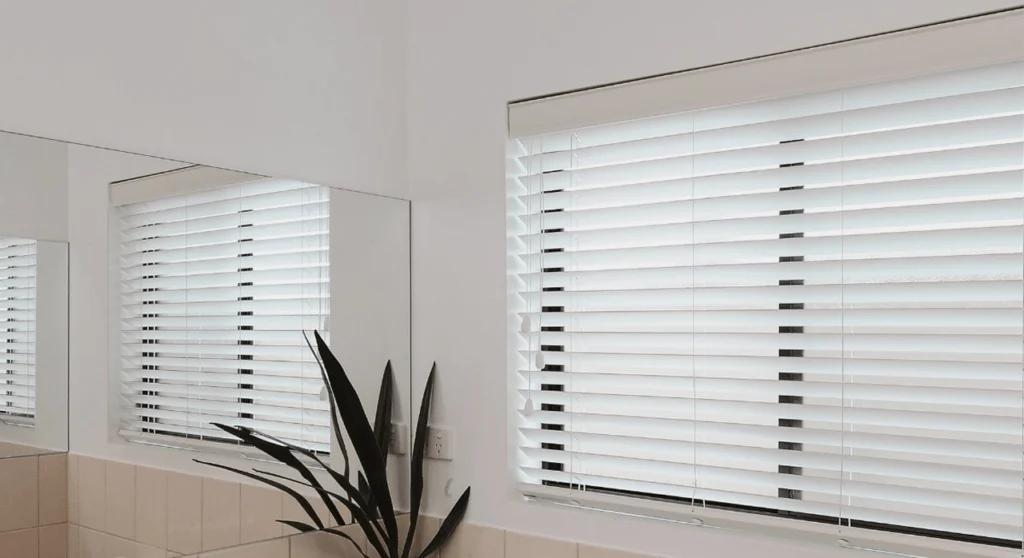
Every venetian blind is custom-measured and fitted, across all four materials and all three blade widths, engineered to Australian standards throughout.
Browse the venetian blinds range or book a free in-home measure and quote – we’ll bring swatches across every material so you can see the grain, colour, and slat width in your own light before deciding.
Common Questions
Which venetian blinds work best for bathrooms?
PVC, without much competition. It’s built specifically to resist warping, cracking, and water-related fading in high-moisture rooms.
Can I get a timber look without the timber price or upkeep?
Yes – faux wood venetians are built for exactly this, delivering the visual warmth of real wood without the moisture sensitivity or the higher cost.
Are venetian blinds better than vertical blinds for privacy?
For most rooms, yes, when fully closed – the horizontal slats overlap more tightly. Vertical blinds are still good for privacy, but venetians have a slight mechanical edge.
What blade width should I choose for a standard window?
25mm Slimline is the safe, versatile default for most standard residential windows. Go 50mm Wideline for large windows wanting a shutter-like look, or 16mm Micro for shallow reveals or small glass panels.
Coming Up Next
Staying with classic window treatments, we’re covering roman blinds next – another style with serious search interest that doesn’t get nearly enough proper explanation online.