Roman Blinds in Melbourne: The Complete Guide
Reading time:
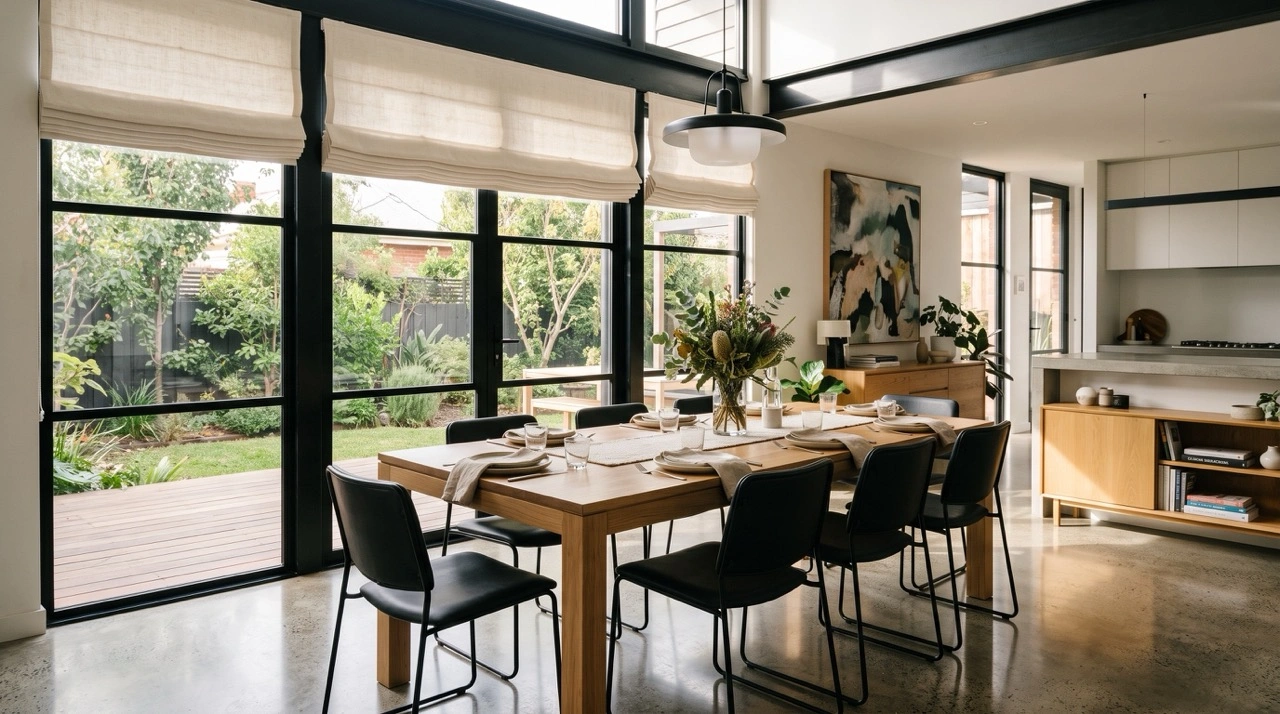
Roman blinds have one of the longer resumes in the window treatment world – the fold-up pleat design is genuinely old, with roots tracing back roughly two thousand years to a fairly practical problem: keeping dust and street grime out of the home. Whatever else has changed since then, that basic fold-and-gather mechanism hasn’t needed much reinventing.
What has changed is the range of fabrics, the finish options, and – most usefully for anyone actually trying to decide – how Roman blinds in Melbourne stack up against the other obvious contender for the same window: a roller blind.
What Are Roman Blinds, Actually?
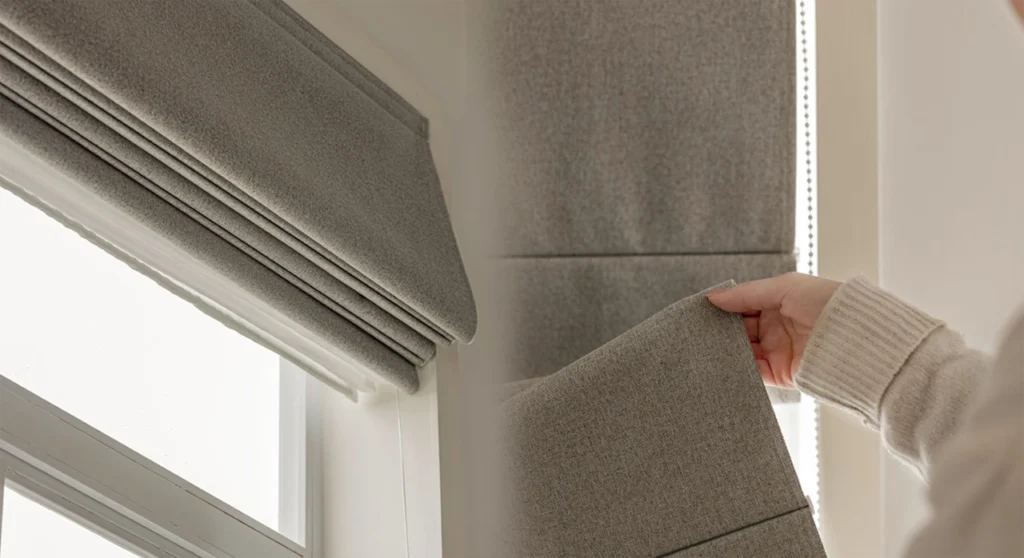
A Roman blind is a single sheet of fabric with slim rods sewn horizontally into the lining at intervals. Pull the cord (or press a button, if it’s motorised) and those rods lift in sequence, gathering the fabric into neat, even pleats that stack at the top of the window. Lower it, and the pleats release into a smooth, flat panel.
That’s the whole mechanism – no separate slats, no vertical track, just fabric and rods working together. It’s also why they have a genuinely different presence in a room compared to almost anything else on the market: even when raised, they don’t disappear. The folded pleats sit at the top of the window like a soft valance, adding texture and shape rather than just getting out of the way.
Roman Blinds vs Roller Blinds: Which Should You Choose?
This is the comparison most people are actually trying to work out, so it’s worth giving it a proper answer rather than a vague “it depends.”
Cost. Roller blinds are the cheaper option, generally speaking – simpler construction, less fabric, a more straightforward mechanism. These cost more, largely because of the tailoring involved: rods, lining, and the extra fabric needed to create those pleats properly.
Maintenance. Roller blinds win clearly here. A single flat sheet of fabric wipes down or vacuums in seconds. With their folds, seams, and rod pockets, Romans collect more dust in more places and take longer to clean properly – worth factoring in if you’re picking a blind for a room that needs to stay low-fuss.
Moisture and sun resistance. Roller blinds, especially in PVC or synthetic blockout fabrics, shrug off humidity and direct sun without much concern. In natural fibres like linen especially, this style is more sensitive to both – a real consideration for anything near a bathroom, laundry, or a harsh west-facing window.
Insulation. Here’s where they pull ahead. A properly fitted one, especially lined or interlined, sits closer to the glass and can meaningfully cut draughts, whereas a roller blind’s thinner profile doesn’t offer the same barrier.
The look. This is genuinely just preference, but worth naming directly: roller blinds are the minimalist, get-out-of-the-way option. These add texture, softness, and a tailored finish that reads more like a soft furnishing than a purely functional fitting – which is exactly why they pair so well with cushions and curtains in a coordinated room.
Neither one is the “better” blind in absolute terms. The fabric-folded style makes more sense in a formal living room, main bedroom, or dining space where the look matters as much as the function. Roller blinds make more sense in a kitchen, laundry, bathroom, or any high-traffic utility space where moisture resistance and easy cleaning matter more. We covered roller blinds’ particular strengths in more depth earlier in this series, if you want the fuller picture.
Choosing Your Style
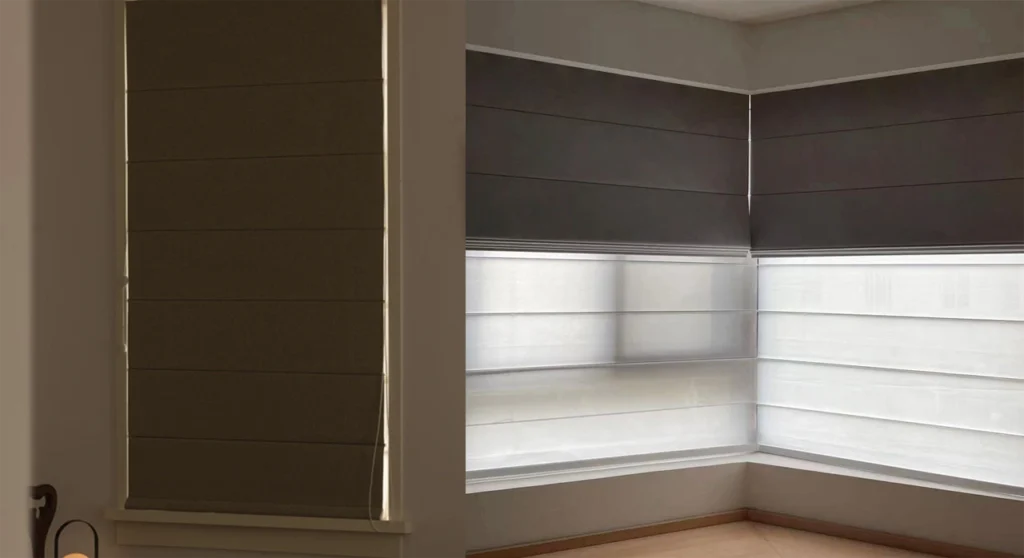
IMEKO offers four styles, each suited to a different kind of room.
Classic – crisp, architectural pleats with real structural precision. This is the safe, timeless choice that suits almost any interior style without dating quickly.
Linen – a natural woven texture that brings warmth and an organic, lived-in feel. Works particularly well in living rooms and dining spaces where you want the blind to feel like part of the furnishing, not just window coverage.
Modern – clean lines and smooth tracking, built around the Texstyle Gala fabric range (an Australian-made collection designed for contemporary, high-end interiors). The pick for newer builds and minimalist spaces.
Sheer – designed for wide window cells where you want soft daylight and daytime privacy without a heavier, more structured look. A good option for open-plan living areas that get a lot of natural light.
Fabric and Light Control
Beyond style, fabric choice does most of the practical work. Blockout fabrics create a genuine barrier against light, which is exactly why they’re the recommended pick for bedrooms and media rooms – full darkness for sleep, or a properly dim room for movie nights. Sheer and light-filtering options sit at the other end, softening daylight rather than blocking it, better suited to living areas and dining rooms where you still want brightness during the day.
One honest limitation worth naming: unlike venetian blinds, which we covered last week, these don’t tilt or adjust incrementally – it’s raised or lowered, not fine-tuned slat by slat. If you want that kind of precise, ongoing light adjustment throughout the day, that’s a genuine trade-off to weigh against the aesthetic appeal.
Where They Work Best in a Melbourne Home
Living rooms and formal dining areas are the natural home for this style – this is where the tailored, textured look earns its keep, and where you’re less likely to be dealing with steam, splashes, or direct sun exposure all day. Bedrooms work well too, particularly with a blockout fabric.
Kitchens, bathrooms, and laundries are where we’d steer you toward a different material – either a moisture-resistant roller blind, or if you love the Roman look enough to want it there anyway, at minimum avoid natural linen in favour of a treated, moisture-resistant fabric.
The Layering Trick
Here’s something IMEKO does that’s genuinely useful to know about: their fabric ranges are matched across categories, meaning you can pair these in your formal living areas with coordinating roller blinds on the smaller, more utilitarian windows elsewhere in the same open-plan space – same colour story, different blind for different job. It’s a smart way to get the Roman look where it matters most without putting a high-maintenance fabric somewhere it’ll just collect kitchen grease.
What IMEKO Offers
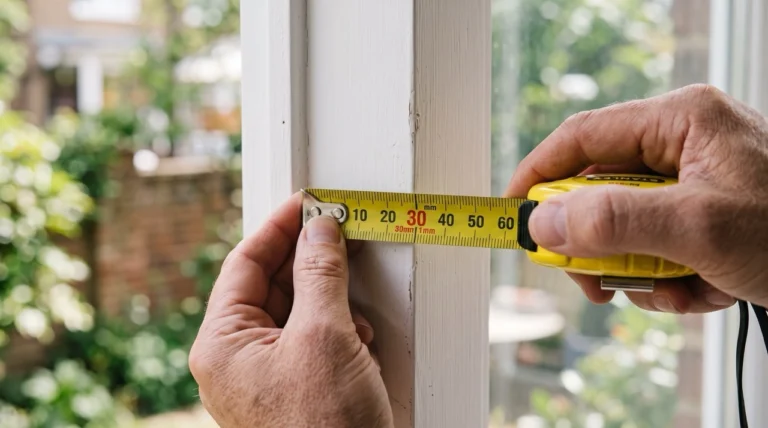
Custom Roman blinds in Melbourne start from $226, with motorised options available for full smart-home control. Every blind is measured and made to order.
Browse the Roman blinds range or book a free in-home measure and quote – bring us your favourite cushion or curtain fabric and we’ll help you match it.
Common Questions
What are Roman blinds made of?
A single sheet of fabric – cotton, linen, blockout, sheer, or light-filtering – with thin rods sewn into the lining to create the folding pleat structure when raised.
Are Roman blinds good for bedrooms?
Yes, particularly with a blockout fabric, which creates a genuine barrier against outside light for better sleep.
How do Roman blinds look when raised?
They fold upward into soft, even pleats that sit at the top of the window like a valance – a visual feature in their own right, not just a blind tucked out of the way.
Which is better, Roman blinds or roller blinds?
Neither universally – the fabric-folded style wins on insulation and a tailored, decorative look; roller blinds win on cost, cleaning, and moisture resistance. The right answer depends on the room.
Coming Up Next
We’re heading outdoors next, looking at what actually holds up through a Melbourne summer on alfresco and outdoor blinds.
Catch up on the series: how to clean vertical blinds, vertical vs roller blinds, plantation shutters vs blinds, choosing blinds for every room, child-safe blinds, the plantation shutters cost guide, and venetian blinds.